
Author name: Maria Mona

Maria Khatun Mona is a Founder and Editor of Nursing Exercise Blog. She is a Nursing and Midwifery Expert. Currently she is working as a "Senior Staff Nurse" at "Dinajpur Medical College Hospital", Bangladesh. She has great passion in writing different articles on Nursing and Midwifery. Mail her at "maria.mona023@gmail.com"

Nutritional requirements during pregnancy and lactation

Ways to Meet Nutritional Requirements During Pregnancy and Lactation

Definition of Nutrition: It is the process of nourishing or being nourished, especially the process by which a living organism assimilates food and uses it for growth and for replacement of tissues. The science or study that deals with food and nourishment, especially in humans is termed as nutrition. Definition of Good Nutrition: Good nutrition […]

Ways to Meet Nutritional Requirements During Pregnancy and Lactation Read More »
High Risk Pregnancy

How to Identify, Diagnose or Screen High Risk Pregnancy?

Definition of High Risk Pregnancy or Mother: High risk pregnancy is defined as one which is complicated by factor or factors that adversely affects the pregnancy outcome- maternal or prenatal or both. Danger Signs of Pregnancy: Swelling of the feet, Convulsion, Blurring of vision, Per-vaginal bleeding (even in small amount), Per-vaginal discharge. How to Identify

How to Identify, Diagnose or Screen High Risk Pregnancy? Read More »

Psychological adaptation during pregnancy

Psychological Adaptation During Pregnancy

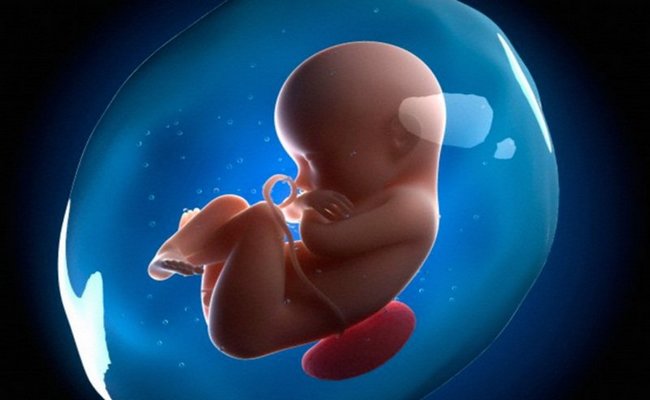
Definition of Adaptation During Pregnancy: Maternal physiological changes in pregnancy are the normal adaptations that a woman undergoes during pregnancy to better accommodate the embryo or fetus. The body must change its physiological and homeostatic mechanisms in pregnancy to ensure the fetus is provided for. Major Adaptations for Extra Uterine Life: It includes- In pulmonary

Psychological Adaptation During Pregnancy Read More »

Hepatitis B Virus

Diagnosis, Management and Prevention of Hepatitis B Virus Infected Patient

Mode of Transmission of Hepatitis B Virus (HBV): 1. Parenteral transmission: Infected unscreened blood and blood products, Tattoos/acupuncture needles, A mode of spread most common among parenteral drug miss-users who share needles or other injecting paraphernalia, Contaminated syringes and surgical instruments. 2. Sexual route: Close personal contact seems necessary for transmission, Sexual intercourse especially in

Diagnosis, Management and Prevention of Hepatitis B Virus Infected Patient Read More »

Hepatitis E

How to Prevent and Control Hepatitis E?

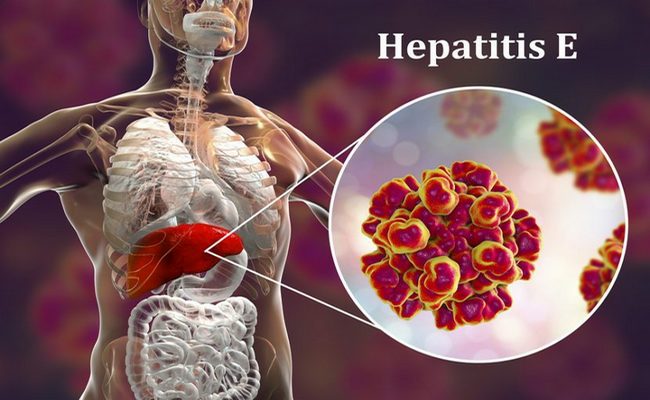
Definition of Hepatitis E Virus: Hepatitis E is the viral hepatitis caused by hepatitis E virus. Epidemiology of Hepatitis E: Hepatitis E should be suspected in outbreaks of waterborne hepatitis occurring in developing countries like Bangladesh, especially if the disease is more severe in pregnant women. Incidence and Risk Factors of Hepatitis E: Symptomatic hepatitis

How to Prevent and Control Hepatitis E? Read More »

Viral Hepatitis

How to Control and Prevent Viral Hepatitis?

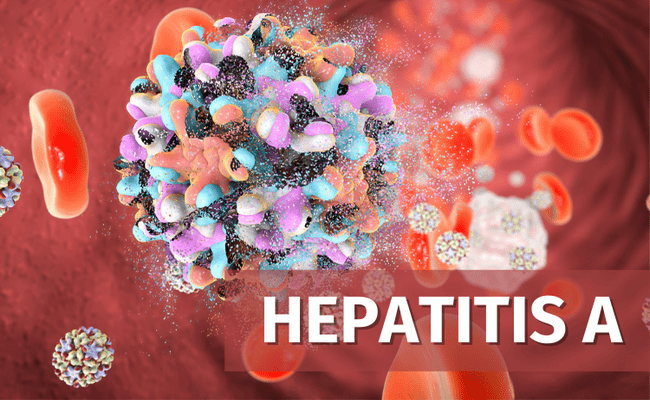
Definition of Viral Hepatitis: According to World Health Organization (WHO), Hepatitis is an inflammation of the liver. The condition can be self-limiting or can progress to fibrosis (scarring), cirrhosis or liver cancer. It is the inflammation of the liver which results in damage to hepatocytes with a subsequent cell death. Classification or Types of Viral

How to Control and Prevent Viral Hepatitis? Read More »

Sexually Transmitted Diseases (STDs) Management

Management or Treatment of Sexually Transmitted Diseases (STDs)

Definition of Sexually Transmitted Diseases (STDs): The sexually transmitted diseases (STD) are a group of communicable disease that are transmitted predominantly by sexual contact and caused by wide range of bacterial, viral, protozoal, and fungal agents and ectoparasites. How to Manage or Treat Sexually Transmitted Diseases (STDs)? 1. Syndromic treatment: For vaginal discharge in all

Management or Treatment of Sexually Transmitted Diseases (STDs) Read More »

Sexually Transmitted Disease (STDs) Controlling Measures

How to Control Sexually Transmitted Disease (STD)?

Definition of Sexually Transmitted Disease (STDs): The sexually transmitted diseases (STD) are a group of communicable disease that are transmitted predominantly by sexual contact and caused by wide range of bacterial, viral, protozoal, and fungal agents and ectoparasites. How to Control Sexually Transmitted Disease (STDs)? Controlling measures of sexual transmitted disease (STDs): The control of

How to Control Sexually Transmitted Disease (STD)? Read More »

Scroll to Top