
Nursing Management or Care Plan of Somatoform Disorder
What is Somatoform Disorder?
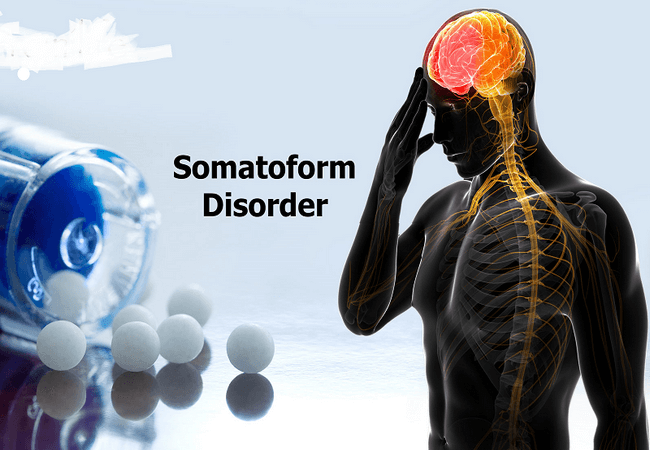
It is a group of disorders in which there is repeated presentation of physical symptoms accompanied by persistent requests for medical investigations. If physical disorders are present, they do not explain the nature or extent of symptoms. Repeated negative findings and reassurance have little effect and patient usually refutes the possibility of psychological caution.
Nursing Management of Somatoform Disorder:
All the nursing care plans or managements for somatoform disorder have pointed out in the below:
- Help the client.
- To recognize and accept the physical complaints even though no organic pathology.
- To recognize the gains that the physical symptoms which are providing for the client, e.g. dependency, distraction, attention, deficit.
- To withdraw attention to physical symptoms.
- Refer the client if any additional symptoms.
- Advise the client to use possible alternating coping strategies.
- Identify the ways to achieve recognition from others.
- Ask the client to keep a record of physical symptoms and stressful situations.
- Administer the drugs as per physicians’ orders.
- Provide comfort measures.
- Encourage the client to verbalize his psycho logical feelings, current life situations.
- Teach the client to recognize different aspects of behavior whether healthy behavior or deviated behavior Provide positive feedback for the acceptable behavior of the client.
- Counsel the clients; encourage them to participate in social activities.
- Assist the client to recognize their own strengths/abilities, weakness, accomplishment, provide positive feedback by appreciation, small token to adopt socially acceptable behavior.
- Encourage the client to perform self-care activities.
- Maintains non-judgmental attitude, when providing assistance to the client.
- Encourage the client to perform independent activities when he is able to do, avoid dependency.
- Allow sufficient time for the client to perform activity.
- Encourage the family to provide attention and concern, when the client is in ‘sick role.
- When the client has fewer complaints, ask the family members to decrease special attention.
- Motivate the client to identify the relationship between stress, physical symptoms and coping strategies. Provide community based care-establish trusting relationship with the client; provide empathy and support, appropriate referrals, assistance from support groups, encourage the client to spend in pleasurable activities for attention and security, health promotion activities.

Maria Khatun Mona is a Founder and Editor of Nursing Exercise Blog. She is a Nursing and Midwifery Expert. Currently she is working as a “Senior Staff Nurse” at “Dinajpur Medical College Hospital”, Bangladesh. She has great passion in writing different articles on Nursing and Midwifery. Mail her at “maria.mona023@gmail.com”