HIV (Human Immunodeficiency Virus)

Risk Factors and Complication of HIV or AIDS Infection

Risk Factors Responsible for Spreading HIV/AIDS: Anyone who is sexually active risks exposure to a sexually transmitted infection (HIV or AIDS) to some degree. Factors that may increase that risk include: Having unprotected sex: Vaginal or anal penetration by an infected partner who isn’t wearing a latex condom significantly increases the risk of getting an […]

Risk Factors and Complication of HIV or AIDS Infection Read More »
AIDS (Acquired Immune Deficiency Syndrome)

Sign, Symptoms and Epidemiological Features of AIDS

Definition of AIDS (Acquired Immune Deficiency Syndrome): AIDS (Acquired immune deficiency syndrome) is a fatal illness caused by the human immune deficiency virus (HIV), which breaks down the body’s immune system. Leaving the victim vulnerable to a host of life threatening opportunistic infections, neurological disorders or unusual malignancies. Acquired immunodeficiency syndrome (AIDS) is a chronic,

Sign, Symptoms and Epidemiological Features of AIDS Read More »

Masters degree in nursing

Bachelors VS Masters: Deciding Which Nursing Degree is Right For You

A Bachelor’s in Nursing is the lowest qualification required to become a Registered Nurse (RN) in Australia. With a Bachelor’s Degree in Nursing, you can work as a registered nurse in aged care facilities, hospitals, doctor’s clinics, and mental health facilities. If you would like to specialize in a particular nursing field or increase your

Bachelors VS Masters: Deciding Which Nursing Degree is Right For You Read More »

Family Nurse Practitioner (FNP)

How to Become a Family Nurse Practitioner (FNP)?

What is a Family Nurse Practitioner (FNP)? A family nurse practitioner (FNP) is a nurse with an advanced degree that can cater to various patient populations, including the elderly and infants. A family nurse practitioner has full authority and independence. They generate a high income and enjoy senior job positions. FNPs are health professionals that

How to Become a Family Nurse Practitioner (FNP)? Read More »

Septic Shock

Septic Shock: Causes, Symptoms and Nursing Management

Definition of Septic Shock: Septic shock is a clinical syndrome of life-threatening organ dysfunction caused by a dysregulated response to infection. In septic shock, there is critical reduction in tissue perfusion; acute failure of multiple organs, including the lungs, kidneys, and liver, can occur. Common causes in immune- competent patients include many different species of

Septic Shock: Causes, Symptoms and Nursing Management Read More »

Neurogenic Shock

Neurogenic Shock: Causes, Signs and Nursing Management

What Do You Mean by Neurogenic Shock? Neurogenic shock is a state of shock similar to others (for example, spinal shock, q.v.) in its ability cad to inadequate perfusion, It is caused by interruption of vasomotor tone by injury to the autonomic nervous system. Often differentiated in clinical presentation, where the classic signs or tachycardia

Neurogenic Shock: Causes, Signs and Nursing Management Read More »

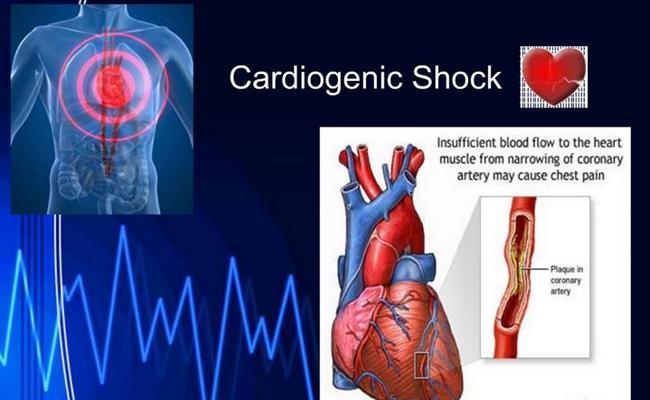
Cardiogenic Shock

Cardiogenic Shock: Causes, Symptoms and Nursing Management

What Do You Mean by Cardiogenic Shock? Cardiogenic shock is a condition in which the heart suddenly can’t pump enough blood to meet the body’s needs. The condition is most often caused by a severe heart attack. Cardiogenic shock is rare, but it’s often fatal if not treated immediately. Sign and Symptoms of Cardiogenic Shock:

Cardiogenic Shock: Causes, Symptoms and Nursing Management Read More »

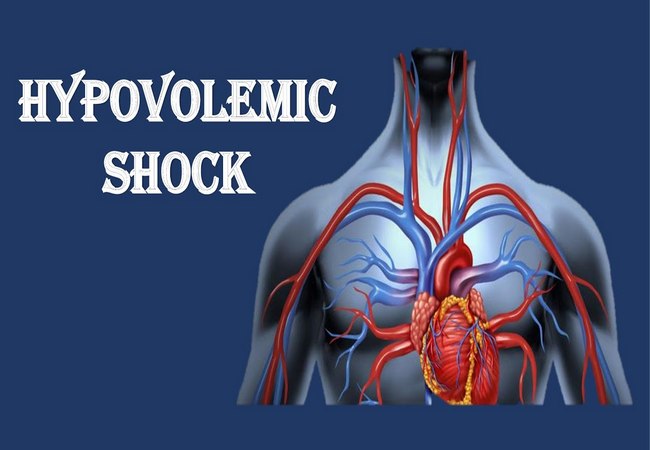
Hypovolemic Shock

Hypovolemic Shock: Causes, Symptoms and Nursing Management

Definition of Shock: Shock is a medical emergency in which the organs and tissues of the body are not receiving an adequate flow of blood. Shock can result in serious damage or even death. Definition of Hypovolemic Shock: Hypovolemic shock is an emergency condition in which severe blood or fluid loss makes the heart unable

Hypovolemic Shock: Causes, Symptoms and Nursing Management Read More »

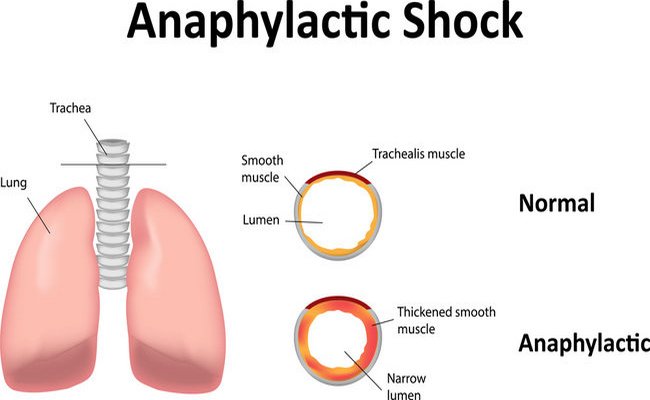
Anaphylactic Shock

Anaphylactic Shock: Causes, Clinical Features, Signs and Symptoms

Definition of Shock: Shock is a life-threatening condition that occurs when the body is not getting enough blood flow. Many organs can be damaged as a result. Shock requires immediate treatment and can get worse very rapidly. As many 1 in 5 people who suffer shock will die from it. Classification of Shock: The following

Anaphylactic Shock: Causes, Clinical Features, Signs and Symptoms Read More »

Scroll to Top