Mumps disease

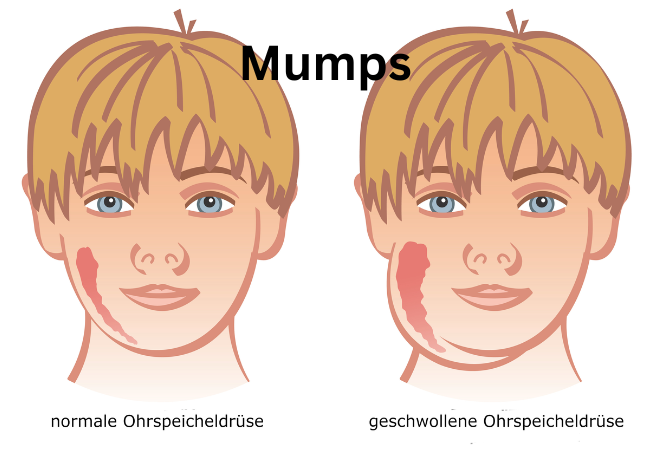
Clinical Features, Treatment and Complication of Mumps Disease

Definition of Mumps Disease: Mumps is an acute infectious and communicable disease characterized by fever, tenderness and localized swelling of one or more of the salivary gland, usually the parotid and occasionally the sublingual or sub maxillary glands. It is an acute infectious disease caused by a specific virus affecting the glandular and nervous tissues. […]

Clinical Features, Treatment and Complication of Mumps Disease Read More »
Communicable diseases

Prevention and Control of Communicable Diseases

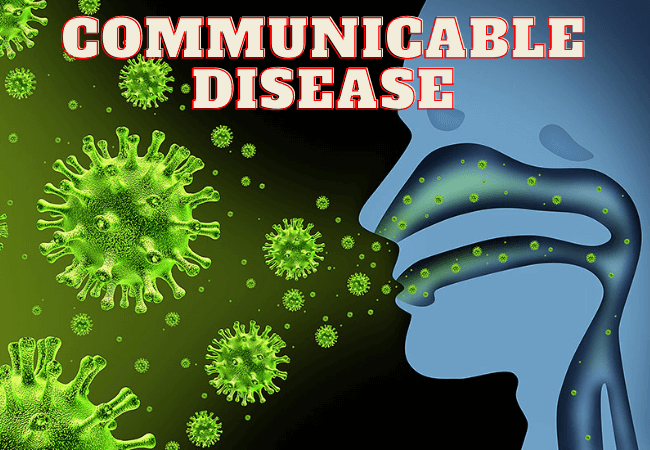
Definition of Communicable Diseases: An illness due to a specific infectious agent or its toxic product capable of being directly or indirectly transmitted from man to man, man to animal, animal to man, animal to animal or from environment (through air, dust, soil, water, food etc.) to man or animal. Principle Control of Communicable Diseases:

Prevention and Control of Communicable Diseases Read More »

Types of communicable disease

Different Types and Mode of Transmission of Communicable Disease

Mode of Transmission and Types of Communicable Disease Definition of Communicable Disease: An illness due to a specific infectious agent or its toxic product capable of being directly or indirectly transmitted from man to man, man to animal, animal to man, animal to animal or from environment (through air, dust, soil, water, food etc.) to

Different Types and Mode of Transmission of Communicable Disease Read More »

Chickenpox disease

Sign, Symptoms, Complication and Prevention of Chickenpox Disease

Definition of Chickenpox Disease: Chickenpox or varicella is an acute, highly infectious disease caused by varicella-zoster virus. It is characterized by vesicular rash that may be accompanied by fever and malaise. It is highly communicable and infectious disease caused by varicella virus, characterized by mild prodromal symptoms and a typical rash which passes through the

Sign, Symptoms, Complication and Prevention of Chickenpox Disease Read More »

Malaria disease

Why Malaria Disease Cannot Be Eradicated from Bangladesh?

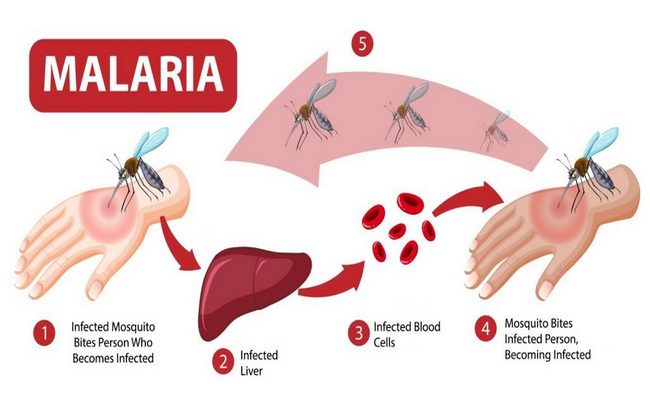
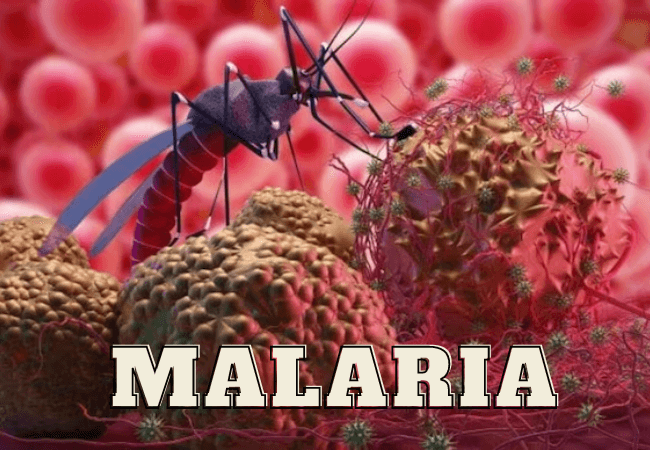
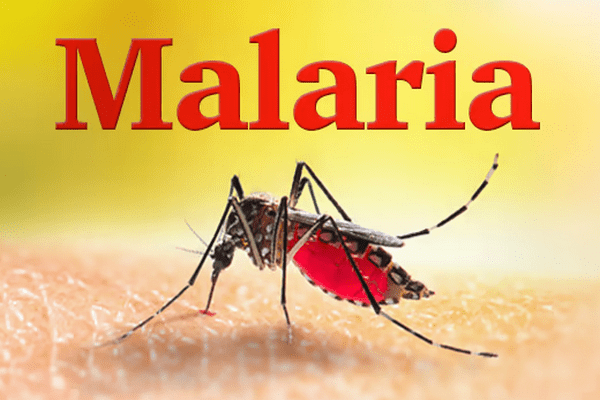
What is Malaria Disease? Malaria is an infectious disease which is caused by plasmodium and transmitted by the bite of female anopheles mosquito, characterized by-fever, anemia, splenomegaly etc. It is a protozoal disease which is caused by infection with parasites of the genus plasmodium and transmitted to man by certain of infected female anopheles mosquito.

Why Malaria Disease Cannot Be Eradicated from Bangladesh? Read More »

Malarial parasites

Different Types and Life Cycle of Malaria Parasites

Malarial Parasites: Types, Classification and Life Cycle What is Malaria Disease? Malaria is a mosquito-borne infectious disease affecting humans and other animals caused by parasitic protozoans (a group of single-celled microorganisms) belonging to the Plasmodium type. Malaria causes symptoms that typically include fever, tiredness, vomiting, and headaches. Malaria is an infectious disease caused by plasmodium

Different Types and Life Cycle of Malaria Parasites Read More »

Treatment of malaria disease

Treatment, Prevention and Management of Malaria Disease

Management, Prevention and Treatment of Malaria Disease What is Malaria Disease? Malaria is an infectious disease caused by plasmodium and transmitted by the bite of female anopheles mosquito, characterized by-fever, anemia, splenomegaly etc. It is a protozoal disease caused by infection with parasites of the genus plasmodium and transmitted to man by certain of infected

Treatment, Prevention and Management of Malaria Disease Read More »

Diagnosis of malaria disease

Epidemiological Features and Diagnosis of Malaria Disease

Epidemiological Features and Diagnosis of Malaria Disease  Definition of Malaria Disease: Malaria is a mosquito-borne infectious disease which affects humans and other animals caused by parasitic protozoans (a group of single-celled microorganisms) belonging to the Plasmodium type. Malaria causes symptoms that typically include fever, tiredness, vomiting, and headaches. Malaria is an infectious disease caused by

Epidemiological Features and Diagnosis of Malaria Disease Read More »

Symptoms of malaria disease

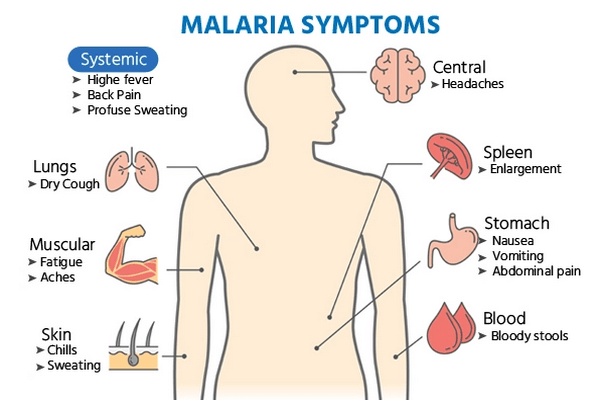
Sign, Symptoms and Complications of Malaria Disease

Signs, Complications and Symptoms of Malaria Disease Definition of Malaria Disease: Malaria is an infectious disease caused by plasmodium and transmitted by the bite of female anopheles mosquito, characterized by-fever, anemia, splenomegaly etc. It is a protozoal disease caused by infection with parasites of the genus plasmodium and transmitted to man by certain of infected

Sign, Symptoms and Complications of Malaria Disease Read More »

Tetanus in child

Complications and Nursing Management of Tetanus in Child

Definition of Tetanus in Child: Tetanus is an acute infectious bacterial disease caused by Clostridium tetani and characterized by muscular stiffness and painful paroxysmal spasms of the voluntary muscles caused by the powerful neurotoxin of the causative organism. Tetanus is a wound infection caused by C. tetani. Occurring usually in the deep, contused, soil contaminated

Complications and Nursing Management of Tetanus in Child Read More »

Scroll to Top